You may already know that having one chronic disease substantially raises your risks for another, but did you know they can combine to create even more volatile metabolic conditions?
It’s not hard to imagine, given the current state of American health:
- Nearly half of all Americans live with some type of heart disease
- 14% live with kidney disease
- ~12% suffer from diabetes
- And around 40% suffer from obesity
These diseases are bad enough by themselves, but they can also interact with one another to form another, highly complex disease process known as CKM.
Here, I’ll explain everything you should know about CKM syndrome. I’ll also go into how to screen for it yourself, what happens if you have symptoms, and how to check for it quickly.
Article overview
- Cardiovascular-Kidney-Metabolic (CKM) syndrome is a disorder involving complex interactions between heart disease, kidney disease, diabetes, and obesity.
- Awareness around CKM is increasing among the medical community, and this coincides with an increase of metabolic screening.
- A worrisome trend is concurrently developing where metabolic screenings are being used as a mechanism to get more people on GLP-1 and SGLT2i medications without first trying to address lifestyle changes.
- It’s possible to address CKM disease with healthier lifestyle choices, such as eating whole, real food, managing sleep and stress, and practicing resistance training.
What is CKM syndrome?
Cardiovascular-Kidney-Metabolic syndrome, or CKM, refers to a metabolic disease involving heart disease, kidney disease, diabetes, and obesity. Up to three out of every four Americans potentially have it, although it’s poorly understood and often goes undiagnosed until the later stages.
That’s because CKM can be mild at first, and many of those who have it don’t recognize the symptoms. But because it is also associated with several severe disease processes, it can eventually lead to heart and kidney failure, or even strokes.
There are four general stages of CKM:
- Stage 1 is early warning signs, like excess belly fat or prediabetes.
- Stage 2 typically occurs after you develop kidney disease or metabolic syndrome.
- Stage 3 is the beginning of heart disease.
- Stage 4 refers to end-stage heart disease, with obvious long-lasting effects on the heart, kidneys, and metabolism.
As you can likely assume, CKM often ‘hides’ behind the many diseases it comprises. Plus, because incidents with your health are often fragmented and episodic, it can be easy to miss CKM syndrome and try treating individual diseases instead.
But this typically leads to worse patient outcomes. If you don’t understand the complex relationship between the different diseases, you can’t get to the bottom of the issue.
It’s also why medication-based treatments don’t often work in a vacuum. As we now know, lifestyle interventions are a simple way to address multiple layers at once.
But more on that later. For now, let’s talk practicals.
How to screen for CKM disease
Assessing yourself for CKM syndrome is very similar to identifying the factors of metabolic syndrome.
Apart from the obvious, such as having an existing heart or kidney disease, look for these five factors to screen your health at home:
- Blood pressure: Numbers should be under 130/85. But if you’re on hypertensive medications, you can assume that you already have unhealthy numbers.
- Blood sugar: Fasting blood glucose should be less than 100 milligrams per deciliter, or 5.5 millimoles per liter. If you’ve been diagnosed with Type 2 diabetes, you can already assume you’re metabolically unstable.
- HDL: Your HDL should be greater than 40 mg/dL for men or greater than 50 mg/dL for women.
- Triglycerides: Should be less than 150 milligrams per deciliter.
- Waist circumference: Men should have a waist circumference of less than 40 inches, while women should have a waist circumference of less than 35 inches.
Three or more of these symptoms may signal the presence of CKM syndrome. That said, you may already be on the CKM ‘tier scale,’ depending on severity and the presence of existing symptoms.
What happens if I have signs and symptoms of CKM syndrome?
First, don’t panic. Knowing about the presence of a diagnosis is understanding what you can do about it. Then, get in touch with your doctor (if you’re not already). You can work on building a course of action together.
Now, you should know that conventional wisdom suggests ‘cures’ like GLP-1s or SGLT2i, since they can help to some extent without lifestyle modification.
You should also know that, more often than not, there are several (free) changes you can make that can treat and even cure metabolic disease.
If you can work with a doctor who gets it, you might start seeing changes in as little as two weeks.
This starts with a protocol of:
Regular exercise
Effective activity for individuals with CKM can be as easy as gardening or housework, which can significantly reduce all-cause mortality for CKM patients.
Beyond that, brisk walking, swimming, and cycling are all highly effective. Anywhere between 150 and 300 minutes of exercise per week should be your general goal.
Eating whole, real food
This includes cutting sugar to whatever degree is possible for you. If you ask me, preferably, it would be no added sugar at all.
I suggest doing the best you can do at first and sticking with it. Do this long enough, and it becomes second nature. Many of my clients find that they can cut out almost all sugar — leading to some incredible results.
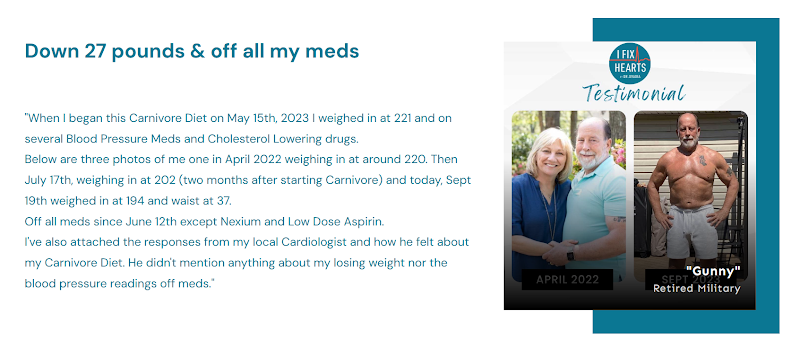
I also recommend low-carb diets as one of the most effective ways to recover from metabolic syndrome. Avoid processed foods as much as possible, and add lots of eggs and animal protein to your diet.
You can learn more about following keto and carnivore diets here.
Prioritizing sleep and stress management
It’s critical to get at least seven hours of sleep a night to have the best possible metabolic health. Consistently getting less than that can potentially lead to a weakened immune system, cardiovascular issues, kidney disease progression, and metabolic changes. If seven hours is genuinely not possible in your current stage of life, aim for the best you can.
Chronic stress, which also affects sleep, can negatively affect every system in your body. In the words of one researcher:
“An increased SHR value [stress hyperglycemia ratio] is positively associated with an elevated likelihood of all-cause mortality within individuals diagnosed with CKM syndrome.”
That’s why I highly recommend learning more about proper SHR care in my guide to managing workplace stress.
Check for CKM syndrome in 15 minutes or less
CKM is a very controllable diagnosis, despite what you may hear online. And although it does take effort to manage, the juice is worth the squeeze. Establishing some new habits today can prevent you from experiencing the revolving door of medicine tomorrow.
But to take the first step toward a higher-quality healthspan, you need to figure out where your health currently stands.
You can identify the markers of metabolic syndrome — including CKM syndrome — by taking my free online quiz in 15 minutes or less.