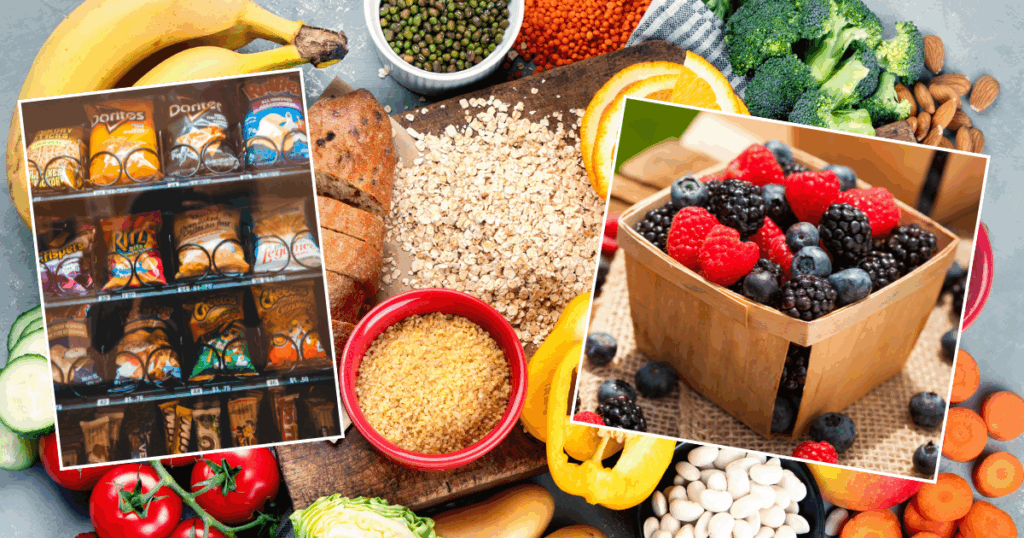
Maybe you’ve been told eating fat will clog your arteries, so it’s healthier to replace your weekly steak with whole grains. Or maybe you’ve been told low-carb diets are bad for your heart, so you need to add carbohydrates in order to protect your arteries.
Either way, you’ve likely been bombarded by information from all sides. This can make it very difficult to distinguish truth from opinion.
So below, I’m going to give you a heart surgeon’s perspective, plus research and case studies to empower you to reach your own conclusions.
First, a breakdown on macros
All foods contain a mix of three macronutrients:
- Protein: Essential building blocks for muscle. Extremely important to metabolic health.
- Fat: High-density energy source that provides slow-burning energy. Any diet containing less than 30% fat may negatively impact your hormones and cause serious health problems.
- Carbohydrates: The fastest form of energy, and the only macronutrient considered unnecessary for human life. This category also includes dietary fiber, although keep in mind fiber doesn’t produce energy.
Each of these macronutrients impacts the body differently and causes different responses on your digestion, blood sugar, and insulin response.
Protein, for instance, rarely increases blood glucose unless consumed in large amounts. Dietary fats are much the same, since they don’t directly increase blood sugar.
But simple carbohydrates are converted to sugar in the body. Sugar is directly associated with insulin resistance — a major hallmark of poor metabolic health and a serious factor for heart disease.
If you’re familiar with the traditional food pyramid, you’re already aware that it’s recommended for carbohydrates to make up the vast majority of your diet. Federal dietary guidelines recommend that carbohydrates make up 45-65% of daily calories.
I once believed that, too — when I was 100 pounds heavier following US dietary guidelines.
But spending years operating on patients who deserved better from the medical system, and reading study after study exploring carbohydrates’ effect on heart health, changed that. I want you to learn how carbs really affect your heart so you can make informed decisions foryourself.
What we know about the effects of carbohydrates on heart health
If you ask traditional heart surgeons why carbohydrates are good for your heart, you’re likely to receive some similar responses.
First, that carbs decrease inflammation in the body, which may reduce plaque buildup. [1]
Second, that carbs provide energy for executive brain function. This includes the sympathetic and parasympathetic autonomous nervous system, which helps control how quickly your heart beats. [2]
Third, that carbs are proven to lower your risk for heart disease and stroke. [3]
Let me address these misconceptions in order.
First, carbohydrates do not decrease inflammation in the body. One study found that “total dietary carbohydrates were related to elevated inflammation risk.” Yet another found that the risk may still remain even if you swap simple carbs for complex ones.
It’s true that people who eat more fiber and whole grains often appear to have less inflammation (provided they don’t suffer from chronic disease). But some meta-analyses suggest this is a false correlation, because people who eat more fiber and whole grains tend to be more health-conscious and make healthier choices in general.
Interestingly, we also know that total fat intake is not associated with higher inflammation. Which means consuming more fat (particularly saturated fat) may not lead to heart disease as previously thought. I talk more about this in my guide on advanced lipid metrics.
Next, humans do not require extra carbohydrates for brain energy, nor to create glucose to power the heart. That’s because the brain requires 130 grams of glucose, not carbohydrates, per day. Your liver can create glucose from many other sources, including fatty acids and stored fat in your body.
High carbohydrate diets may trigger insulin resistance, which may lead to weight gain and put adverse strain on the heart.
Finally, increasing your volume of carbohydrates will not reduce your risk for heart attack. If anything, it may increase your risk. One meta-analysis found that “individuals with the highest carbohydrate intake had a 1.15-fold increased risk of CVD compared to those with the lowest intake” although the association was only in Asia.
Carbs are also associated with increased risk of stroke and all-cause mortality.
But what about carbs for muscle?
We’ve all seen pictures of high-performance fitness influencers consuming piles of donuts, pasta, and high-carb foods. So, do you need carbohydrates (aka, fast energy) to put on muscle?
Here’s what the sport science tells us:
- You need more energy to build more muscle. Even with a relatively strict workout routine, it’s much harder to build muscle in a caloric deficit.
- You can get more energy by eating more food.
- You need adequate protein intake, alongside another energy source, for best results.
The more muscle you have, the more energy is required to maintain it. But that energy can come from a variety of sources, whether it’s carbohydrates or dietary fats.
So no, you don’t need carbs to build more muscle, provided you’re consuming enough energy in other ways. [4]
How can some people eat tons of carbs and be healthy?
You no doubt have friends and family members who eat large quantities of carbs and still appear lean and fit.
So, does this mean carbs aren’t all that bad?
The truth is that people respond differently to carbs depending on their health and dietary goals.
If you have prediabetes, for example, food like honey could wreak havoc on your blood sugar and encourage insulin resistance. If you have type 2 diabetes and a high A1C, even fruit could contribute to poor metabolic health.
But for a metabolically healthy person with a low A1C, foods like rice, beans, and potatoes will have a much blunter impact on metabolic health (as long as they’re part of a high protein, meat-centric diet). I’m not labeling those foods one way or another, but if you’re metabolically healthy, eating them won’t destroy your metabolic health overnight.
The most important thing to remember here is that being thin does not equal being healthy. Even if your family members appear in good shape, they could be metabolically unwell and at risk for a heart attack.
Again, it all depends on your underlying health status, plus experimenting to see what works — and what doesn’t — for your body.
I highly recommend scheduling regular blood tests to keep an eye on your biomarkers and make informed decisions.
So how do you eat to support your heart health?
If you’ve followed me for a while, you know the answer is ‘whole, real food.’
But there are a few other considerations to keep in mind based on what we’ve discussed.
Many ultra-processed foods are high in carbohydrates, which makes them easy to cut from your pantry. Cookies, cakes, breads, and pastas are some of the easiest foods to eliminate based on nutritional content alone.
If you want to get more granular, you might consider cutting anything with more than five listings on the ingredients label. You’ll have much more control over your macronutrient content and can avoid added carbs by cooking at home.
Along that same vein, anything with added sugar shouldn’t have a spot on your pantry. These are added carbohydrates with no functional purpose outside of hacking your pleasure centers and potentially instigating food addiction.
If you are going to eat carbs, focus on whole, real options. You might drink more milk, eat fruit like strawberries and blueberries, or add high-quality, low-carb vegetables such as broccoli, lettuce, asparagus, and zucchini.
But if you’re already showing signs of metabolic syndrome, adopting a low-carb diet might make more sense for your healing journey.
There are plenty of patterns that might appeal to you.
And if you’re curious about your options, check out the articles below: