No, it’s not a seasonal joke: the sugar diet is very real. It has waned somewhat from its zenith of popularity, but I feel now is the best time to weigh in — before people set their sights on fad diets for New Years.
Just as you might have expected: no, it’s not something I would recommend. It doesn’t matter whether or not you have a history of heart disease, this diet simply won’t do you any favors.
Sure, the sugar diet could help you lose weight.
But is it good for you? That’s another question entirely.
First, some background on the sugar diet
The sugar diet rose to popularity in mid-2025 due to its increasingly public endorsements from fitness influencer Mark Bell. The method is simple:
- Eat 0 to 30g of fat per day
- 100g of ultra-lean protein (roughly 0.5g per pound of bodyweight for Mark)
- And unlimited carbohydrates (between 500-1000g per day)
These “unlimited carbs” take many forms for Mark. Some are whole, real foods such as fruit. Others are more processed: juice, honey, and even straight sugar. The ultimate goal is to lose weight and burn body fat without losing any lean muscle mass.
Sound counterintuitive on a lower protein diet? You’d certainly think so.
But there may be some research suggesting certain benefits.
Are there any actual benefits to the sugar diet?
So let’s give our sugar diet the benefit of the doubt. Looking objectively at the research, there are a few upsides to consider.
In a study of healthy, lean men following high-protein diets, researchers measured the participant’s “metabolic response to low-protein, high-carb meals.”
They found a few interesting things to consider:
- Men following the sugar diet needed to eat more just to maintain their weight.
- Metabolism stayed elevated even in the weeks after following a low-protein diet.
- The participants’ levels of FGF21 (a hormone that controls insulin sensitivity) increased dramatically during protein restriction.
So to summarize: healthy, lean, metabolically sound adults may lose weight without risking muscle mass on the sugar diet. They may also activate FGF21 hormones that help to manage insulin sensitively.
However, as Men’s Health summarized, this was a very small study and “due to the nature of this study, researchers couldn’t assess any longer-term effects of a protein-restricted diet and the elevated FGF21 levels could still be reversed within this short time frame. Over time, chronically elevated levels of the hormone could potentially lead to metabolic dysfunction and muscle loss.”
And of course, we can’t overlook the well-known and significant problems that excessive sugar can cause over time, including high blood pressure and heart disease.
But how does this diet work? There are, quite literally, dozens of mechanistic theories being thrown around. But one of the most significant of these is weight loss. We know that losing weight consistently improves glucose metabolism metrics (think CGM metrics like fasting glucose) regardless of macros and food quality. So whether your diet is 100% coffee or three plates of gummy bears, eating below your energy needs will result in weight loss — and with it, better initial numbers.
But that’s not to say all these physical reactions to the sugar diet are good things over time. For example:
- Chronically elevated levels of FGF21 may lead to metabolic dysfunction and muscle loss over time.
- High levels of sugar can put massive strain on your arteries and vessels, which you may not see evidence of for a long time.
- This study found benefits for lean, metabolically healthy men. It did nothing to evaluate populations such as women, older adults, or patients with diabetes and obesity.
- Scientists haven’t measured any long-term effects from the sugar diet, so there’s no way of knowing how long any “benefits” last.
Remember: just because a diet can assist you in losing weight does not mean it’s necessarily good for your health (or your heart).
Your goal should be to become healthy, not thin. Detangling these terms from one another can work wonders in overhauling your metabolic health.
Why I advise avoiding the sugar diet
The sugar diet is a fad diet, plain and simple. And as with any fad diet that heavily excludes certain food groups, there’s an emphasis on losing weight quickly at the start but with little consideration for the longer term.
Knowing what we do about sugar, the long-term effects of following the sugar diet could have dangerous effects on your metabolic health:
- Constantly high sugar intake can spike your blood sugar
- This, over time, can lead to insulin resistance
- Insulin resistance increases inflammation in the body
- This inflammation can manifest as non-alcoholic fatty liver disease, heart disease, and ultimately heart attacks
Beyond the obvious, however, a high-sugar diet can have long-term consequences on your mental health, physical performance, and behavior.
One study found that women following a high-sugar diet during pregnancy and lactation have children with a higher likelihood of metabolic and mental disorder development.
Another study, using animal research, honed in on sugar’s addictive effects. Rodents undergoing a high-sugar diet experienced unusual depressive-like behavior. Additionally, researchers found that “dietary sugar and drugs of abuse use the same brain structures, being a part of the reward system pathways.”
This research tells us two things. One, that sugar can change you physiologically. Second, that sugar can change you psychologically. Consuming hundreds of grams of processed sugar every day will risk these (and other) side effects, not to mention increase these risks in your children.
So what’s the better alternative to the sugar diet?
Eating whole, real food with as little added sugar as possible.
I realize jumping in feet-first probably isn’t a viable option for most. But if you want to lose weight without jeopardizing your long-term mental and physical health, here are my recommendations.
1. Prioritize protein instead of carbohydrates
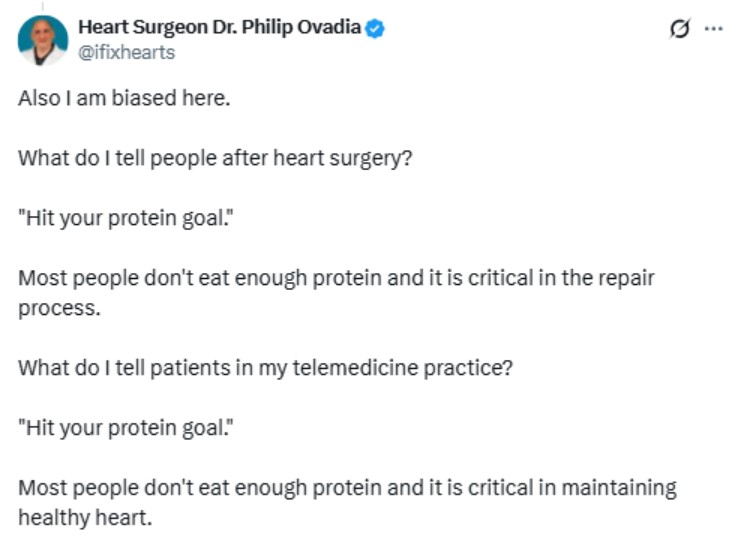
High-protein diets have sustained decades of research, and yet present none of the drawbacks that come with the sugar diet. As a heart surgeon, I highly, highly encourage you to consume a minimum of 1g to 2g of protein per pound of lean body weight to protect your heart.
Learn more about the proper way to set a protein goal.
2. Stay away from processed foods
You don’t need me to tell you just how bad processed foods can be for your heart. The trouble is, they make up more than 73% of the US food supply. Avoiding UPFs, therefore, requires a conscious decision. Learning to cook at home can help to offset some of the difficulty here.
And keep in mind I want you to avoid processed proteins as well.
I’ll be much happier for you to eat turkey and steak during the holidays than processed ham, hot dogs, or “protein” potato chips.
3. Cut sugar
I don’t necessarily mean giving up everything you like that’s sweet. But it should be a far cry from the sugar diet — and moderate many if not all of your added sweeteners.
You might replace added sugars with natural sweeteners like Stevia. Be cautious with other fake sugars, which can sneak into your diet and disrupt metabolic health.
Natural sugar sources may have a place in your diet, but sparingly. Just because honey and maple syrup have a more “raw” form doesn’t necessarily mean it’s “healthy” for you.
So what about fruit? Or “keto-friendly” options like blueberries? The choice is up to you. I’d highly recommend looking for a continuous glucose monitor (CGM) to help track your blood sugar response.
Beginning a metabolically healthy diet
If you want to lose weight and get healthier in 2026, I can tell you that the sugar diet is not what you’re looking for. Instead, prioritize whole, high-protein foods, with few if any processed options. It won’t take long to feel the difference — or notice the side effects that come with it.
Of course, it might be easier for you to follow a more “set in stone” diet with specific guidelines for what to eat (and what not to). If that sounds like you, I have some resources to help.
Check out some options for metabolically healthy eating:
- Understanding the carnivore diet
- The effect of keto diets on metabolic health
- How to eat metabolically healthy with 5 different popular diets