
Back in November, I wrote about the unreleased but expected proposed dietary guidelines from RFK. Now, in January 2026, we have the full Dietary Guidelines for Americans (DGA) available for review.
I was right about a couple changes and was also thrilled to see several additional changes I believe bode well for people’s metabolic health.
Let’s take a closer look.
First, a very quick overview of the new US dietary guidelines
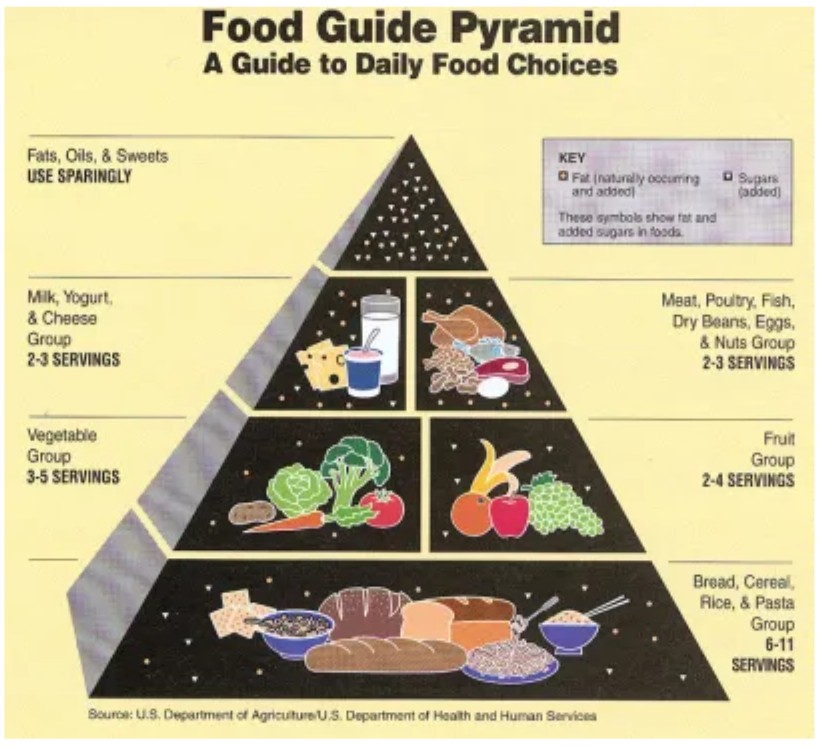
Previous versions of the Dietary Guidelines for Americans have been heavily criticized over the years. You’re likely familiar with 1990s image of yore:
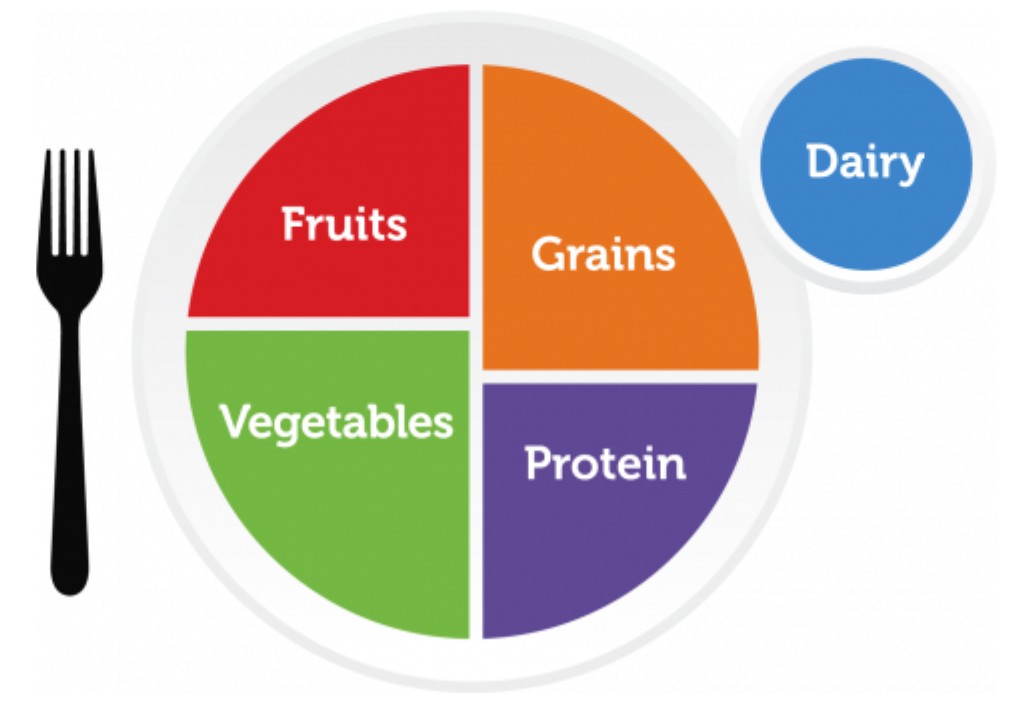
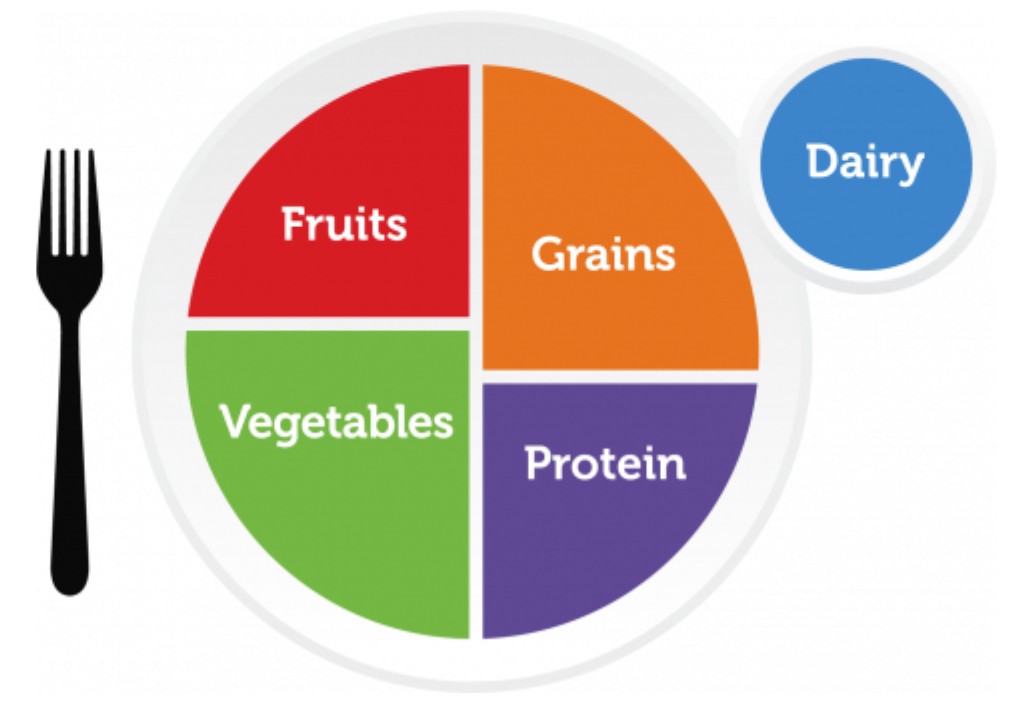
Or the famous MyPlate system of the 2010s:
Or perhaps the MyPyramid era:
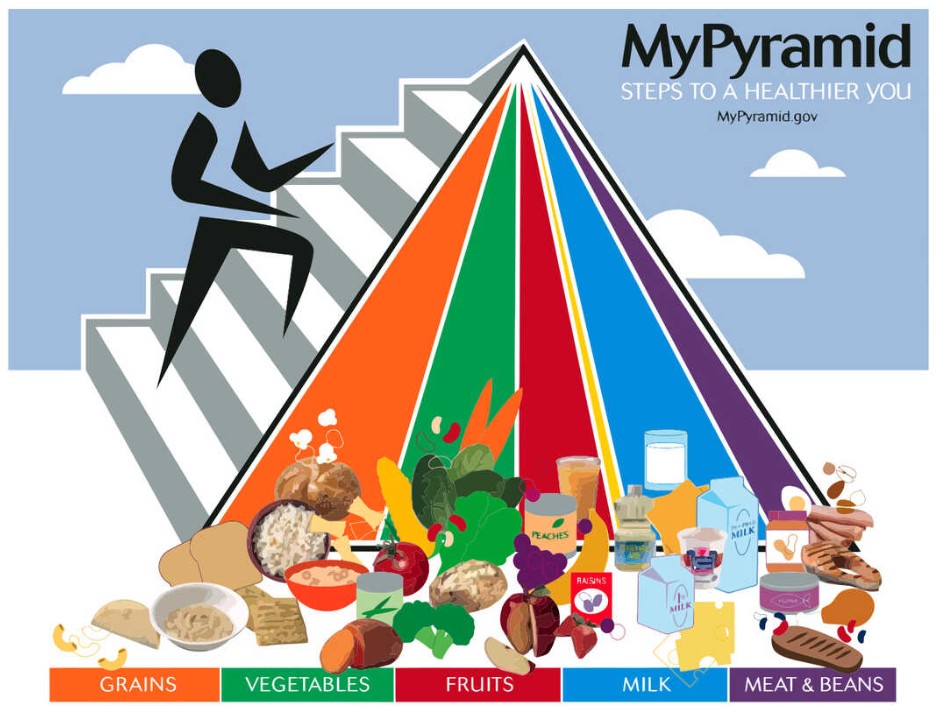
I wrote more about these dietary guidelines in an earlier article.
But in general, I want you to notice three similarities:
- Grains and carbohydrates are the ‘foundation’ of a diet
- Dairy and protein are to be ‘eaten sparingly’
- Fats are typically lumped into the same category as sweets
The New Dietary Guidelines (the official name, by the way) was designed to flip this structure on its head. Instead of being a top-down pyramid, it’s upside down. Notice there are many different food groups restructured as well:
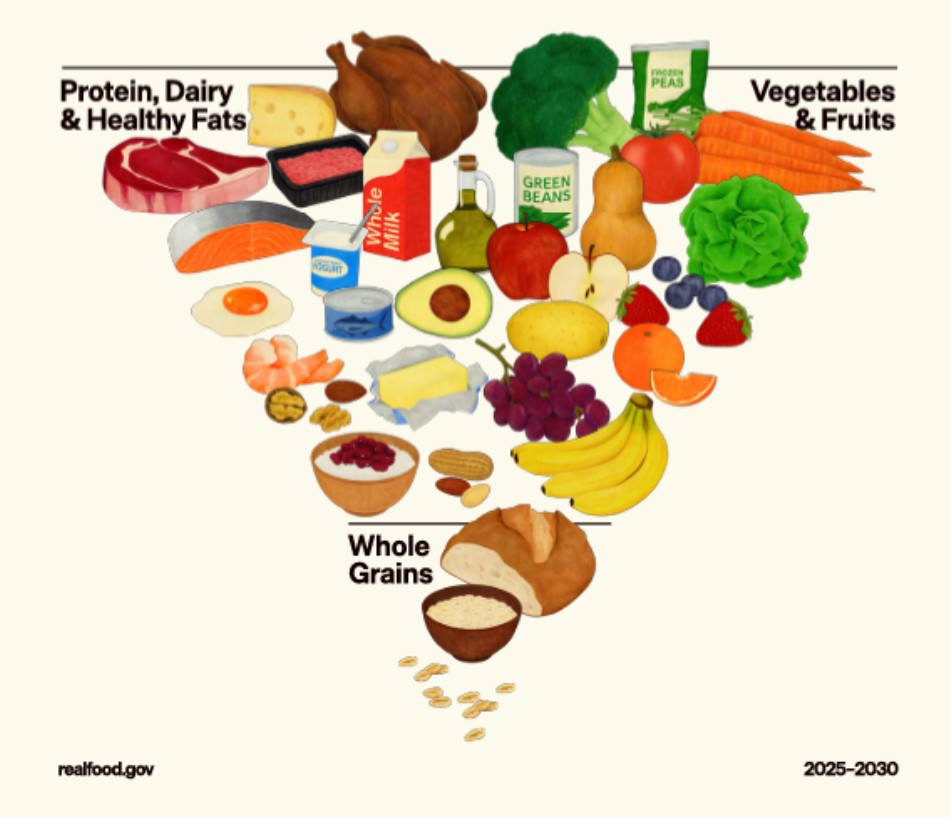
No need to take the image at face value, though. You can explore the guidelines for yourself at realfood.gov.

But for now, seeing the base differences between food pyramids, let’s take a look at what’s changed in 2026.
1. 50% to 100% increase in dietary protein
Traditional dietary guidelines recommend that around 10% of daily calories should come from protein, including sources like red meat, fish, and beans. Some nutritionists recommend even smaller amounts — think 7% or 8% of calories.
However, the new DGA recommends 1.2 to 1.6 grams of protein per kilogram of body weight. For a 150 lb person, that’s around 82 to 109 grams of protein daily.
Note that the guidelines stress consuming whole, real foods, and not necessarily supplements like protein powders. Recommendations include foods “from animal sources, including eggs, poultry, seafood, and red meat.”
Cardiac Surgeon’s Verdict: Amazing start.
The more people experiencing the benefits of protein, the better. And contrary to popular belief, high protein does not hurt the heart.
If you’re concerned about this, I highly recommend exploring available research.
I have some resources for you here:
- The best meat to eat for your metabolic health
- The proper way to set a protein goal
- Organs: to eat or not to eat?
2. The de-villanization of high-fat food
If you’re old enough to remember the low-fat craze of the ‘90s, this new food pyramid may come as somewhat of a shock.
The new guidelines emphasize:
- Full-fat dairy. Studies show full-fat dairy lowers your risk for obesity and improves heart health.
- Cooking with healthy fats. Recommendations include olive oil, butter, and beef tallow.
- Fats sit separately from sweets. Added sugar has its own set of regulations and isn’t lumped in with dietary fat.
Cardiac Surgeon’s Verdict: Excellent! But we still have a ways to go.
High-fat diets are not the reason people wind up on my operating table.
In fact, there’s research to suggest that balanced high-fat diets may “improve body composition, inflammation and vascular function.”
But we still have a way to go with accepting saturated fat.
I’ll cover more about this in a later section.
3. Eliminating added sugar
The new DGA states that “no amount of added sugars or non-nutritive sweeteners is recommended.” By ‘non-nutritive,’ it means fake sugars like Splenda or Sweet-N-Low. It does not include sugars in whole, real fruit or full-fat milk. But it does state that “one meal should contain no more than 10 grams of added sugars.”
There is also a chart of added sugar limits to help consumers make more informed choices around what they eat.
See for yourself:
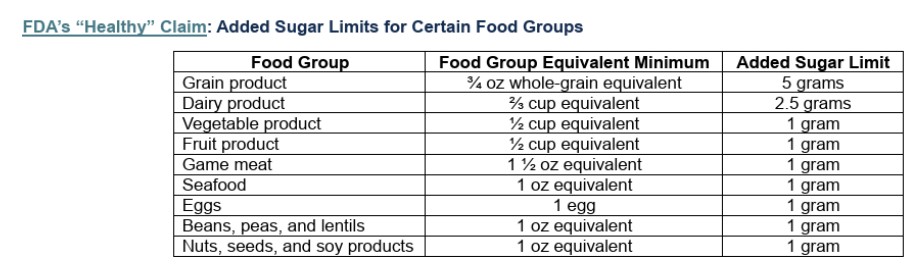
So if you’re purchasing packaged food like bread, for example, avoid brands that add more than 5 grams of sugar per serving.
Cardiac Surgeon’s Verdict: Excellent!
Sugar is incredibly pervasive in the Standard American Diet, and being less pervasive about intake is substantially better for everyone (including your heart).
For context, the previous DGA recommendation was limiting added sugar to 10% of daily calories. Now, guidelines recommend avoiding sugar almost entirely. Infants and children aren’t recommended to consume added sugar at all.
Because, as we all know, children deserve metabolically healthy diets.
4. De-prioritizing grains
If you remember the previous food pyramid, you likely remember the eight to 11 servings of grains per day. Pasta, whole-wheat bread, and yes, your morning cereal, were all considered to be the literal foundation of a ‘healthy’ diet.
But our new dietary guidelines cut this recommendation by as much as 80%. Think just two to four servings of whole grains per day. Compared to older recommendations, that’s as much as you’d get in one meal.
Cardiac Surgeon’s Verdict: It’s about time.
We have overwhelming evidence showing how processed dietary carbohydrates can negatively affect the heart. Shifting to a lower-carb dietary approach is far more aligned with a proper human diet, despite claims of being ‘radical’ or ‘impractical’ for most.
But I should emphasize that these guidelines don’t necessarily recommend a zero or low-carb approach. The report itself encourages readers to eat “traditionally prepared” grains such as oats, rice, and sourdough bread.
Other carbohydrates, like fruits and potatoes, still sit higher up on the echelon of whole, real foods.
What else I’d like to see from the dietary guidelines
America’s new DGA is a breath of fresh air, and among the best dietary guidelines I’ve had the privilege of reviewing. I already know it will be a helpful resource for my patients. And hopefully, it will also prevent you from winding up on my operating table.
But that doesn’t mean there’s not room for improvement.
If I could make a few recommendations, they’d include:
Setting strict limits on alcohol consumption
I’ve said it before, and I’ll say it again: alcohol is not your friend. Deprioritizing its role in everyday life has incredible benefits for metabolic health.
The US’s previous dietary guidelines set tangible limits around alcohol, like one drink per day for women and two per day for men. But 2026 guidelines only recommend you “limit” alcohol consumption “for better overall health.”
What does ‘limit’ mean in this context? For many people, more concrete guidelines may be useful.
As a general rule, I recommend limiting alcohol consumption almost entirely. You can learn more about why in my introduction to alcohol.
Clear definition for ultra-processed food
You could likely identify ultra-processed food if you saw it: anything that’s technically edible, yet heavily altered from its original form.
You can’t look at a Twizzler and really know where it came from, for example. Or create a Snickers bar with ingredients you could grow in your backyard.
Keep in mind that an ultra–processed food is different from a processed food. Greek yogurt is technically processed, but incredibly nutrient-dense for most individuals. In contrast, an ultra-processed food has virtually no nutrient density on account of the high heat and heavy mechanical development process. They offer plenty of energy, but practically nothing to nourish your body.
If there’s one thing nutritionists can agree on, it’s that ultra-processed foods should be avoided as much as possible. I can also chime in as a cardiologist. Research has found that for every 10% increase in the amount of UPFs people consume, “their risk of a heart attack, stroke, or other serious cardiovascular event was 12% higher.”
And yet, there’s no officially recognized definition for what makes up an ultra-processed food.
The guidelines did issue a few rules of thumb:
- Avoiding packaged or ready-to-eat foods
- Limiting artificial flavors, dyes, preservatives, and sweeteners
- Avoiding meat with added sugars or starches
But there’s still no operational definition that standardizes UPFs on a wider scale.
The good news is, there may be one currently in the works. The American Heart Association claims to be “working with the administration to inform the development of an operational definition of ultraprocessed food.”
There’s no release date set for this UPF definition. In the meantime, I highly encourage you to read up on ultra-processed foods here.
Eliminate saturated fat limits
The New Food Pyramid, in RFK’s words, will play a role in “ending the war on saturated fats.”
But you should know there are still strict consumption limits.
The guidelines still posit that “saturated fat consumption should not exceed 10% of total daily calories.” This is a measurement that hasn’t changed over the last 30+ years of American nutrition guidance.
That said, studies show limiting your saturated fat intake may not have any real impact in preventing heart disease.
In fact, there’s research to suggest increasing your intake of saturated fat within a whole, real food diet can positively affect your metabolic health.
You can learn more about how this works in my write-up on saturated fat.