If the MAHA movement has done anything in recent years, it’s raised awareness around the importance of eating nutritionally dense foods. While that’s generally something to celebrate, whenever there’s a trend, industry is never far behind.
That’s exactly what we’re seeing now, as it’s not just consumers who are getting in on the trend of healthier foods — more and more food manufacturers are picking up the thread too. This has resulted in a wide variety of healthwashed, too-good-to-be-true junk foods that wear a ‘health halo’ in pursuit of your dollar bills.
These disingenuous food companies don’t deserve your hard-earned money. If you believe what they tell you, they could play a role in negatively affecting your metabolic health.
So with this in mind, I’m leaving my thoughts on five of the most ultra-processed health foods that don’t deserve to be in your pantry.
- Protein-powered junk food
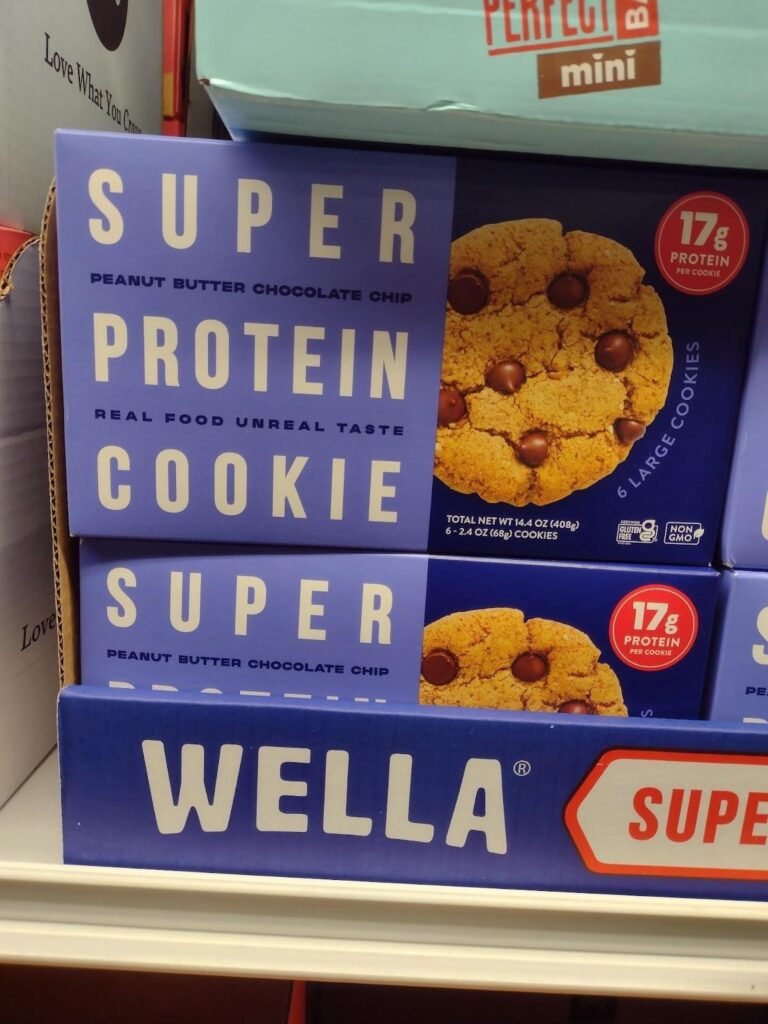
If there’s one thing that comes to mind for me when I hear the term ‘healthwashing,’ it’s the ubiquitous ‘protein-powered foods’ lurking around the health sections of the grocery store.
I’m talking about:
- Added protein potato chips
- Protein water (yes, a real thing)
- Extra protein peanut butter, with 11 grams of protein and 15 grams of added sugar per serving
In tandem with new US dietary guidelines, which have recently adopted increased protein requirements, ‘protein-focused foods’ have become increasingly popular among busy and newly health-conscious individuals.
Is getting more protein good for you? Absolutely. There’s no evidence to suggest that this will negatively hurt your heart. But is getting added protein through processed foods the way to do it? Not necessarily. If anything, it could be harmful.
I’ll give you three reasons why:
- Added protein doesn’t always mean lots of added protein. Just look at Protein Boostin’ Brown Sugar Cinnamon Pop-Tarts, for example. While the website advertises that you get 10 grams of protein, it fails to tell you this requires two Pop-Tarts, not one. You get just 5 grams of protein for one Pop-Tart, plus a whopping 15 grams of added sugar. For context, that’s as much as a full cup of blueberries. And unlike the blueberries, you’re also getting dextrose, soybean oil with TBHQ, high fructose corn syrup, and artificial colors and flavors. Is all that worth it for 5 grams of protein, almost half what you get from a single glass of milk?
- Added protein doesn’t always mean healthful ingredients. Again, look at our example above. That’s not what I would call ‘healthy sugar,’ and it would likely only qualify as ‘food’ if you’re following the sugar diet.
- Added protein isn’t always bioavailable. Your body can process the protein from red meat far more efficiently than the protein in broccoli, for example. That means even if you do choose one of those added protein sparkling waters, it will be much harder for your body to utilize said protein than it would from fish, venison, or chicken. I explain more about this in this guide.
To summarize this: please don’t fall for the marketing. There is almost never a good reason to stock your shelves with ultra-processed food — added protein or not.
Always, always check the ingredients label. And be sure to familiarize yourself with increasingly common, possibly misleading, food packaging claims.
2. Carb-free ‘bread’
With the low-carb and keto movements gaining traction, it’s no surprise that no and low-carb processed foods have also made their way onto the shelf. Among the most popular of these are low-carb breads, rolls, and tortillas. These items allow people who are trying a ketogenic diet to not give up the luxury of sliced bread with their meals.
As you might imagine, it’s not quite as cut and dry as this. Manufacturers are technically telling the truth, but there’s a little more nuance you deserve to know.
First things first: these foods are based on net carbs rather than total carbs. That means they subtract the amount of fiber in these foods from the total number of carbohydrates present. This is hotly debated, as you might imagine. You can see for yourself in this study from Nutrition Bytes.
Second, most low-carb breads come with their own set of unhealthy ingredients. Scan the label, and you’ll likely find added fake sugars, seed oils, preservatives, and more.
Finally, and perhaps most importantly, some people find that low-carb bread pushes them out of ketosis. Needless to say, this limits the effectiveness of starting a low-carb diet in the first place, not to mention slowing your progress toward restoring metabolic health.
If you need bread in your diet, I’d advise making your own low-carb version. You’ll just want to use the right ingredients, which I cover in a later section below.
3. ‘Healthy’ drinks
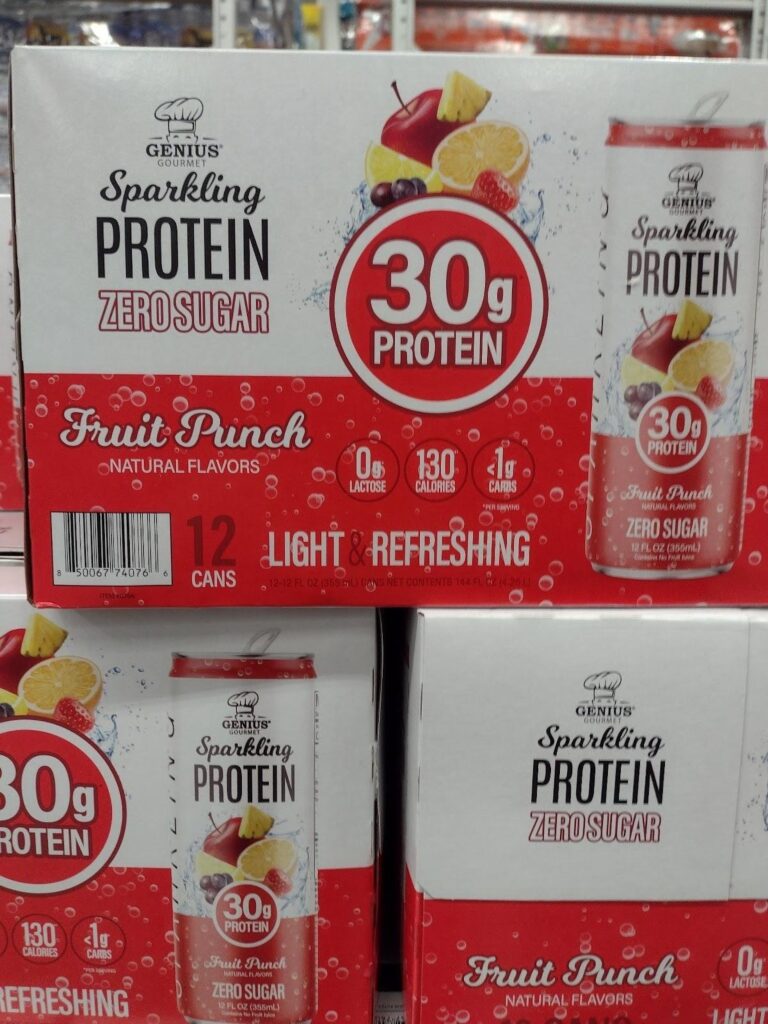
I touched on this a little above, but it’s worth covering a bit more in-depth because there are dozens and dozens of ‘healthier’ beverage options starting to infiltrate the market. And not necessarily for the better.
I’m specifically referring to:
- Store-bought kombucha. I don’t disagree that kombucha has health benefits. But much of the heavily-sweetened kombucha you see at the grocery store has grams upon grams of added sugar. It also has much smaller benefits than you’d get from brewing it yourself.
- Low-sugar sodas like Olipop. Do they have ‘probiotics in every sip?’ Possibly. But can you get probiotics with whole, real foods? Yes. And you’re still getting some added sugar in every sip for a very, very steep premium.
- Enhanced power drinks. ‘Healthy’ versions of energy drinks like sugar-free Monster and Red Bull still have significant implications on your heart health. Just look at the effects of high caffeine on your health, for example. Sugar-free, low-calorie drinks are not the ‘healthy’ alternative they so want you to believe.
If you’re using any of these to wean yourself off other processed foods, by all means do what you must. But please don’t make these a staple in your diet. Water, milk, and coffee work perfectly well as ‘power’ beverages.
4. ‘Better for you’ baking ingredients
If you’re already cooking at home for your metabolic health, you might be baking much more often to provide healthful food for your family. And while this certainly has better benefits than purchasing packaged food, there are also many, many pitfalls to keep in mind while shopping for ingredients.
Flour, for example, has all sorts of concerns. You can opt for gluten-free blends, but these are still processed and contain large amounts of carbohydrates. Blends that contain tapioca starch and cassava flour, for example, still cause blood sugar spikes and may worsen gut dysbiosis for those who struggle with digestive issues.
Then there’s almond flour, which offers fewer carbs and higher fat and protein levels. Also keep in mind almonds contain a high amount of oxalates, which can lead to joint pain, kidney stones, and nutrient deficiencies.
5. Sugar-free processed food
Processed sugar-free foods — like salad dressings and jellies usually contain very few nutrients. Sugar-free jelly does little more than flavor your bread (which shouldn’t be a regular part of a metabolically healthy diet anyway). Many of them also rely on artificial flavors and seed oils to improve palatability. There is very good evidence to suggest that vegetable oils are a bigger driver of chronic disease than sugar.
Again: if you want to eat true sugar-free foods, start with whole, real options, like fish, or olive oil and vinegar, or a cut of beef, for example.
If you have to use sugar-free versions of foods you’re already eating, sure, you might use them as a way to wean yourself off the high-energy, much worse alternative. But at the end of the day, you’ll be better off giving up these processed foods. Remember: even fake sugars can majorly disrupt your metabolic health and leave you with severe health effects.
Protect yourself from the healthwashing epidemic
America’s ‘health food era’ is alive and thriving, and major food corporations know this well. It’s up to people like us to be informed about metabolic health so we can vote with our wallets — that is to say, on whole, real food in a proper human food pyramid.
But in truth, we’ve barely scratched the surface of what to expect. There are lots of other foods and trends you need to be aware of.
The good news is, there are plenty of places to start.
Here are a few additional resources you may find helpful: