Just because something is socially acceptable doesn’t mean it’s good for you.
Many of the social routines we follow in the US were set by corporate marketing campaigns, social media influencers, or our own conveniences. Followed over the course of a lifetime, they don’t always necessarily lead to longer healthspans.
And a great number of them can have catastrophic effects on your heart.
Most of us aren’t even aware that we’re engaging with these social habits. That’s exactly where I was ~10 years ago. It’s not always easy to see these “habits” for what they are.
So let me break down some of the most dangerous so you can take corrective action if need be.
Article overview
- Many of our culturally accepted, heart-unhealthy habits are driven by corporate marketing, social pressure, and cultural norms.
- Eating out frequently may lead to a 31% higher risk of arterial plaque buildup.
- Alcohol is harmful to metabolic and heart health at any amount, despite longstanding cultural myths about moderate drinking being beneficial.
- Constant snacking keeps blood sugar and insulin elevated, disrupts sleep, and perpetuates a cycle of poor food choices.
- Chronic stress can raise heart disease risk by 60%, and inadequate sleep raises it by 20% to 34%
1. Eating out
Roughly seven in 10 Americans eat out once per month, and as many as 30% eat out once per day. This includes fast food chains like McDonald’s and Wendy’s, coffee shops like Starbucks, and the occasional sit-down restaurant like Olive Garden.
There are many reasons why Americans choose to eat out so frequently, namely for the convenience, speed, and flexibility. It’s an ideal option for people with long or unpredictable work schedules, dual-income households with children, and those without kitchen space (or skill in the kitchen).
And yet, we also know that eating out can increase exposure to:
- Hidden added sugars (including fake sugars)
- Nitrates, dyes, and preservatives
- Vegetable and seed oils
This eating pattern is sometimes referred to as ‘social-business’ eating, since it usually leads constituents to dine in restaurants more frequently than others. The “diet consists largely of red meat, pre-made meals, snacks, sugary beverages and excessive alcohol.”
Unsurprisingly, “those with a social-business eating pattern were 31% more likely to have dangerous plaque build-up in their arteries, putting them at increased risk for heart attack and heart disease.”
Does eating out always lead to heart disease? Not necessarily. Is the red meat to blame? Certainly not. But it becomes much easier to sneak unwanted foods and ingredients into your meal, which can negatively impact your heart.
I’d highly suggest making your own food at home, then adapting it to be easy to take with you from location to location. And no, a personal chef doesn’t always make you healthier. It’s often a much better bet to simply cook your own meals, create a fasting routine, and set your own protein goals.
2. Drinking socially
When surveyed, around 30% of people say they feel pressured to drink alcohol ‘socially,’ meaning they typically only drink around friends, family, or partners.
Many of us have experienced pressure from friends or family in this way. Some of us are still familiar with the ‘glass per day’ study, which claimed a little wine per day could quite literally keep the doctor away.
But as we know now, alcohol is not your friend. Its impact on your metabolic health can be devastating, not to mention your general heart health. And even small amounts of alcohol can raise your risks for heart attack, stroke, and many other heart-related diseases. Social drinking, while a very common habit, isn’t likely to do you any metabolic favors.
Monika Arora says it best:
“The portrayal of alcohol as necessary for a vibrant social life has diverted attention from the harms of alcohol use, as have the frequent and widely publicised claims that moderate drinking, such as a glass of red wine a day, can offer protection against cardiovascular disease. These claims are at best misinformed and at worst an attempt by the alcohol industry to mislead the public about the danger of their product.”
3. Snacking
Snack culture is one of my biggest gripes with the standard American eating pattern. It’s also one of the most pervasive eating patterns you’ll find in the US.
And no wonder why: we have quite literally hundreds, if not thousands, of snack food brands in the US that bombard us with ads for ‘snack time’ and afternoon ‘pick me ups.’ That doesn’t even cover the (now debunked) dietary pattern of eating six to eight small meals per day for optimal health.
Snacking prevents your body from modulating insulin correctly, as it keeps your blood sugar high and your digestive system in constant action. It’s particularly harmful right before bed — snacking can prevent you from sleeping deeply and cause you to wake up more frequently, which causes you to make poorer food choices (and so on).
I recommend patients eat two to three solid meals per day, and avoid snacking around the clock simply out of boredom or convenience. The easiest way to fix that is by eating larger and more fulfilling meals, often with more protein like eggs and meat, animal fat, and whole dairy.
Which leads us to the next social habit…
4. The poor sleep and stress olympics
I’ve lumped these two together for good reason — because you’ve likely seen them both used at the same time.
There’s a subculture in the US of ‘hustle until you drop,’ with many bragging openly about being too stressed and busy to fit in normal conventions of rest and relaxation. For some, this is working 16-hour days, seven days a week. Or worse, only sleeping a handful of hours in order to fit more work into the day.
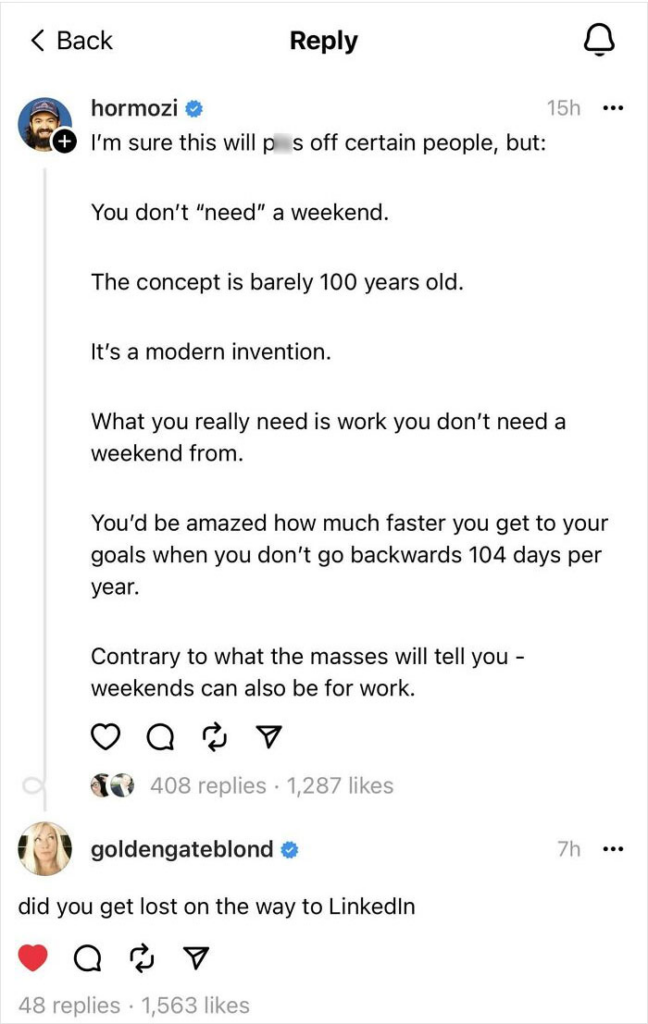
Other people don’t willingly engage in hustle culture idealism, but still face the consequences of high stress and poor sleep.
According to a survey by AASM, more than half of people said they experienced disrupted sleep due to:
- Stress (74%)
- Anxiety (68%)
- Depression (55%)
We also have many distractions preventing us from managing sleep and stress effectively, between entertainment options, a cost of living crisis, and higher demands around maintaining lifestyle needs.
Put it all together, and you have a normalized culture of high stress, low sleep, and the occasional supplement or Benadryl habit.
I won’t lie to you: fixing any habit can be tough. And addressing the stress/sleep cycle will take quite a bit more lift to fix.
But if you don’t make changes here, you could be putting your heart in jeopardy. Stress can raise your heart risks by 60%, and too little or too much sleep can raise risks by 20% to 34%, respectively.
Your best bet is to look for a middle ground here. Find ways to manage stress, which will naturally increase sleep time, or carve out time for more sleep, which can help manage stress.
I give more guidelines around how to do this effectively in my course covering the seven principles of metabolic health.